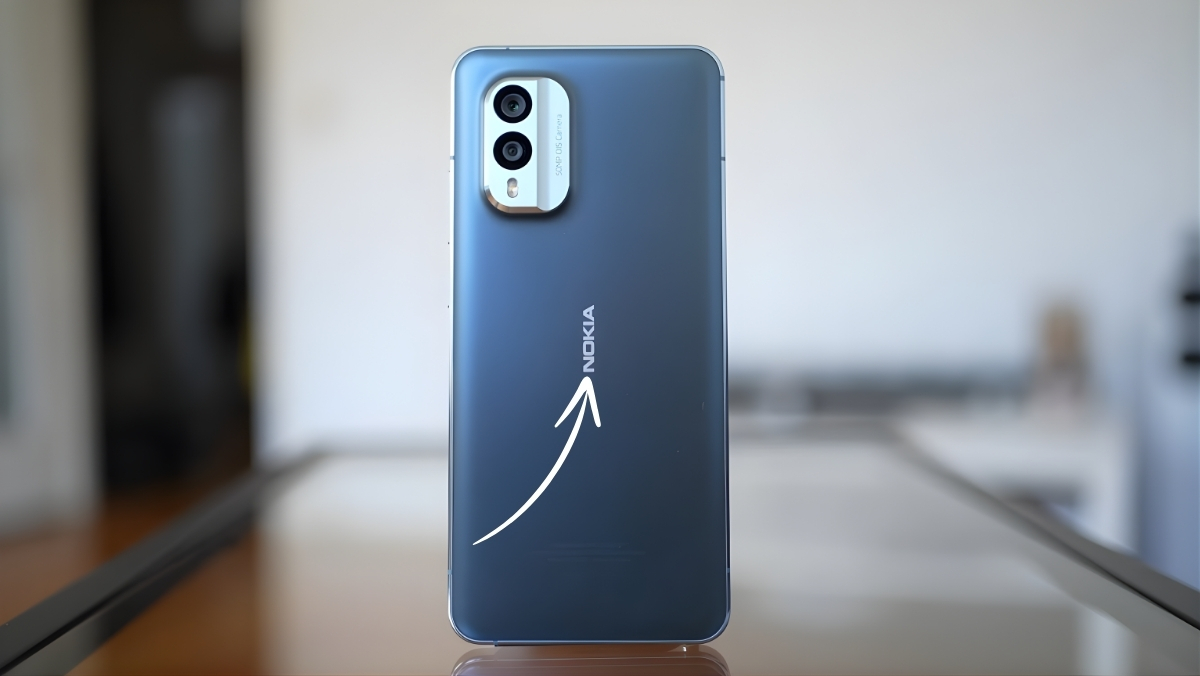
Nokia X30 5G : Remember when Nokia promised a greener future with the X30 5G? Back in late 2022, it burst onto the scene as HMD Global’s bold statement on sustainability meets solid mid-range performance.
Fast forward to April 2026, and this phone refuses to fade into obscurity. Owners are still buzzing about its longevity, with fresh security patches keeping it secure and whispers of that final Android 15 upgrade on the horizon.
In a market flooded with flashy new flagships, the Nokia X30 5G stands out not for gimmicks, but for quiet reliability that just works.
I’ve chatted with users in India who swear by it for everyday hustles—think endless scrolling on social media, quick video calls, and navigating chaotic city traffic via maps.
It’s that unpretentious companion that doesn’t demand attention but delivers when you need it most. Let’s dive deeper into why this phone, now a few years old, still deserves a spot in your considerations.
A Design That Screams Sustainability Without Sacrificing Style
Pick up the Nokia X30 5G, and the first thing that hits you is its thoughtful build. At 158.9 x 73.9 x 8mm and just 185 grams, it feels premium in hand—slim, balanced, and surprisingly tough with an IP67 rating that shrugs off dust and dips in water up to a meter deep for half an hour.
The frame? 100% recycled aluminum. The back? 65% recycled plastic. Even the box is 70% recycled paper. Nokia wasn’t just paying lip service; they walked the talk on eco-friendliness from day one.
The colors—Cloudy Blue and Ice White—give it a clean, Nordic vibe that’s understated yet elegant. No garish gradients or unnecessary bling here.
Also Read: Expertos revelan que envolver las tarjetas en papel aluminio puede evitar el robo de datos bancarios
The 6.43-inch AMOLED display, protected by Corning Gorilla Glass Victus, pops with vibrant colors and a smooth 90Hz refresh rate.
Peak brightness hits around 700 nits, making it usable outdoors even under harsh Indian sun. It’s not the brightest kid on the block, but for reading news or binge-watching YouTube, it holds its own.
What I love most is how it ages gracefully. No creaks, no wobbles after years of use. Users report it still looks fresh, a testament to Nokia’s durable ethos.
Snapdragon Power That Punches Above Its Weight
Under the hood, the Snapdragon 695 5G chipset has been a workhorse. Paired with up to 8GB RAM and 256GB UFS storage (no microSD slot, though), it handles multitasking like a champ—switching between WhatsApp, Chrome tabs, and Instagram without breaking a sweat.
Benchmarks from back then clocked AnTuTu around 400k, and real-world tests confirm it’s snappy for 2026 standards: PUBG Mobile on high settings? Smooth. Google Maps with live traffic? No lags.
Sure, it’s no gaming beast, but for the average user—streaming Netflix, editing photos, or running banking apps—it’s more than enough.
Reviews from 2023 called performance “underwhelming” at launch, but time has been kind. With optimizations in later Android builds, it feels peppier now.
Also Read: Ni pesas ni yoga : descubre el ejercicio top para mejorar circulación y proteger el corazón
And that near-stock Android experience? Pure bliss. No bloatware cluttering your home screen, just clean, intuitive software that’s a breath of fresh air compared to skin-heavy rivals.
Camera Setup: Reliable Shooter for Everyday Moments
Nokia’s PureView heritage shines through in the dual rear setup: a 50MP main sensor with OIS and PDAF for steady shots, flanked by a 13MP ultrawide with a 123-degree field of view.
Daylight photos are punchy and detailed, capturing India’s vibrant street markets or golden hour sunsets with natural colors—no over-saturation nonsense. Low-light performance? Decent thanks to OIS, though it doesn’t rival pixel-pushers like recent Pixels.
The 16MP selfie cam does a solid job for video calls and Insta stories, punching out sharp, well-lit portraits. Video tops at 1080p@60fps, which is fine for casual clips but won’t win cinematography awards.
What stands out is consistency. Year after year, users praise how the camera holds up, especially post-software tweaks that enhance HDR and night mode.
It’s not revolutionary, but in a world of megapixel wars, the X30’s cameras feel honest—capturing life as it is, without artificial hype.
Battery Life That Keeps Going, Just Like Nokia’s Legacy
Ah, the 4200mAh battery—a sleeper hit. Nokia claimed up to two days, and tests back it: over 13 hours of video playback, 8+ hours browsing, and solid gaming sessions.
Also Read: 家計支援を強化 日本政府、2026年に現金給付を全国で実施
In my chats with long-term owners, many squeeze a full day of heavy use—4G/5G toggling, GPS, and media—without anxiety. It retains 80% capacity after 800 cycles, which explains why it’s still kicking in 2026.
33W fast charging (PD 3.0 PPS) juices it to 69% in 30 minutes, though no charger in the box is a bummer. No wireless charging, but for wired warriors, it’s efficient. Standby drain is minimal, perfect for those long commutes in Chandigarh or Mumbai.
Software Support: Nokia’s Redemption Arc
Launched on Android 12, the X30 has climbed to Android 14, with Android 15 promised as the finale—three major OS upgrades and three years of security patches, as vowed.
As of early 2026, it’s on the latest Android 14 builds with patches up to April 2025, and Reddit threads buzz about January 2026 security drops. In India, updates roll steadily, keeping it safe from vulnerabilities.
This commitment sets Nokia apart from forgettable brands. Features like enhanced privacy in newer builds make it feel modern, proving good software breathes new life into hardware.
Why the Nokia X30 5G Still Matters in a Fast-Moving World
Three-plus years in, the Nokia X30 5G isn’t chasing trends—it’s defying them. Its sustainable build reduces e-waste guilt, the display and battery combo nails daily reliability, and cameras deliver without fuss. Performance holds for non-gamers, and software support ensures relevance.
Drawbacks? No expandable storage, average low-light cams, and it’s showing age against 2026’s powerhouses. Yet, for eco-conscious folks wanting a no-nonsense 5G phone with 5G bands tuned for Indian networks (n40, n78, etc.), it’s a gem.
In 2026, as we grapple with tech waste mountains, the X30 reminds us: sometimes, enduring quality trumps fleeting hype. If you’re eyeing a dependable mid-ranger, this Nokia classic might just be your next grab. It’s not perfect, but damn, it’s real.